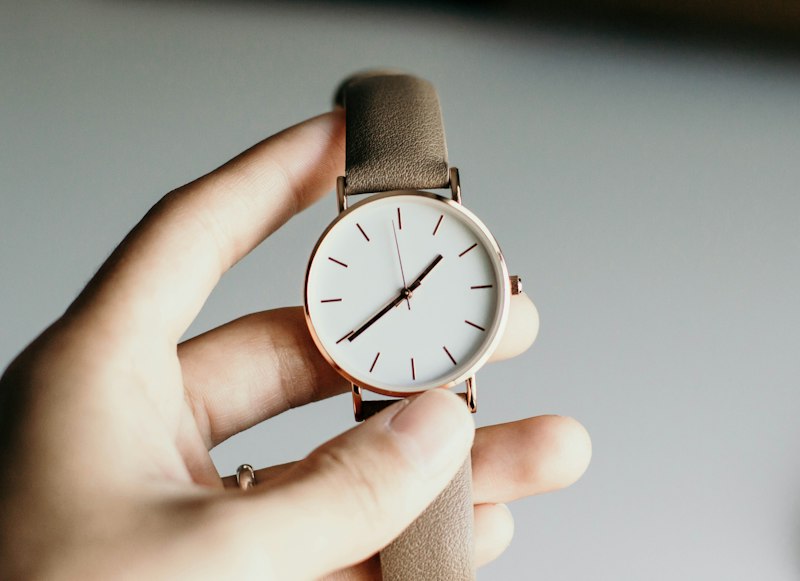
The Solar Paradox: How Light Becomes Time
Update on March 21, 2026, 10:11 p.m.
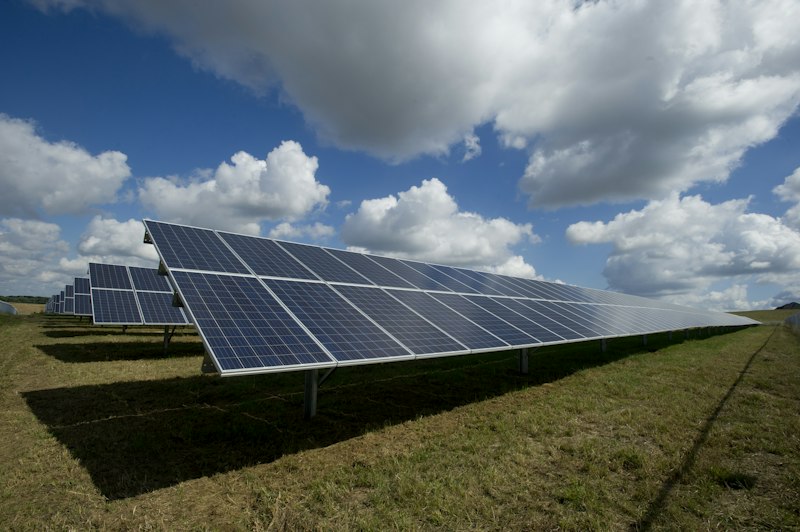
The Solar Paradox: How Light Becomes Time
In 1839, Edmond Becquerel discovered the photovoltaic effect. Light hitting certain materials produces electricity. It was a curiosity. A laboratory phenomenon. It had no practical use.
A century later, solar cells powered satellites. Then calculators. Then watches. The same effect that was once a curiosity now keeps time on millions of wrists.
The Citizen Eco-Drive Weekender converts light to energy. Any light. Sunlight. Indoor light. Lamp light. The energy powers the movement. The movement keeps time. The time stays accurate.
This is not a product review. It is an investigation into how photons became power. How solar cells became movements. How watches became battery-free.
The Photovoltaic Argument: Silicon as Converter
Solar cells are made of silicon. Silicon is a semiconductor. When photons hit silicon, they knock electrons loose. The electrons flow. The flow is electricity.
The formula for solar cell efficiency:
Efficiency = Power_Output / Light_Input × 100%
Typical watch solar cells: 15-20% efficiency. This means 15-20% of light energy becomes electrical energy. The rest is lost as heat. As reflection. As transmission.
But 15% is enough. A watch uses very little power. A quartz movement uses micro-watts. A solar cell generates milli-watts. There is excess. The excess charges the battery.
Photovoltaic technology in watches:
- Silicon cells convert light to electricity
- Efficiency: 15-20% typical
- Low-light charging possible
- Degradation: <1% per year
This is not magic. It is materials science.
The Charging Argument: Lux as Fuel
Light intensity is measured in lux. Direct sunlight: 100,000 lux. Cloudy day: 10,000 lux. Office lighting: 500 lux.
The formula for charging time:
Charging_Time = Battery_Capacity / (Light_Intensity × Efficiency)
Higher lux means faster charging. Direct sunlight charges in days. Indoor light charges in months.
Eco-Drive charging times:
| Light Source | Lux | Full Charge | 1 Day Use |
|---|---|---|---|
| Direct Sunlight | 100,000 | 2 days | 2 min |
| Cloudy Day | 10,000 | 20 days | 20 min |
| Office Light | 500 | 130 days | 6 hours |
Six months power reserve. This is the battery capacity. Full charge lasts six months in darkness. This is not marketing. It is capacity.
The Battery Argument: Elimination as Innovation
Traditional quartz watches use batteries. Batteries last 2-3 years. Batteries contain toxic chemicals. Batteries go to landfills.
Eco-Drive eliminates batteries. It uses a rechargeable cell. The cell lasts 20+ years. The cell is charged by light. No battery changes. No battery waste.
Environmental impact comparison:
| Watch Type | Batteries/10yr | CO2 Impact | Waste |
|---|---|---|---|
| Solar (Eco-Drive) | 0 | Low | Minimal |
| Quartz (battery) | 10-15 | Medium | Battery waste |
| Mechanical | 0 | Low | Service waste |
Citizen estimates 10 million+ Eco-Drive watches sold. Result: 100 million+ batteries eliminated. 500+ tons of battery waste prevented.
This is not marketing. This is environmental mathematics.
The Accuracy Argument: Quartz as Foundation
Eco-Drive uses quartz movement. Quartz oscillates at 32,768 Hz when electrified. The oscillations are counted. Every 32,768 oscillations equals one second.
The formula for time error:
Error = Daily_Error × Days
Quartz accuracy: ±0.5 seconds per day. Monthly error: ±15 seconds. Yearly error: ±3 minutes.
This is not atomic accuracy. This is quartz accuracy. Good enough for most users. Not good enough for chronometer certification.
Watch accuracy standards:
- Chronometer: -4/+6 sec/day
- Quartz: ±15 sec/month
- Eco-Drive: ±15 sec/month
The Eco-Drive Weekender is quartz accurate. Not atomic accurate. Not mechanical romantic. Quartz reliable.
The Cost Argument: Value as Equation
The Citizen Eco-Drive Weekender costs approximately $200. This is not cheap. This is not expensive. This is value.
Cost comparison over 10 years:
| Type | Initial | Maintenance | Total |
|---|---|---|---|
| Solar | $200 | $0 | $200 |
| Quartz | $100 | $50 (batteries) | $150 |
| Mechanical | $500 | $200 (service) | $700 |
Two hundred dollars. Ten years. No battery changes. No service required. Solar power.
But value is not just cost. Value is cost divided by use. Value is convenience. Value is environmental impact.
The Design Argument: Weekender as Aesthetic
The Weekender has a specific aesthetic. Casual. Elegant. Understated. The dial is clean. The case is slim. The strap is leather.
Design features:
- 40mm case (fits most wrists)
- 10mm thickness (fits under cuffs)
- Leather strap (comfortable)
- Date window (functional)
- Water resistance 30m (splash resistant)
This is not a dive watch. This is not a pilot watch. This is a dress watch. A casual dress watch. A weekender watch.
The Application Argument: Who Uses This?
The Citizen Eco-Drive Weekender is for a specific type of user.
Office Workers: The design fits business casual. The accuracy fits professional life. For office workers, this is appropriate.
Environmentally Conscious: No battery waste. Solar power. For environmentally conscious users, this is alignment.
Low Maintenance Users: No battery changes. No winding. For users who want simplicity, this is convenience.
Value Seekers: $200 for 10+ years. For value seekers, this is investment.
The watch is not the time. It is the keeper of time. The Citizen Eco-Drive Weekender understands this. It does not demand attention. It keeps reliability. It does not add complexity. It removes battery changes. It does not impress. It serves.
This is what a solar watch looks like. Not the cheapest. Not the fanciest. The most convenient.
The question is not whether solar watches are better. It is whether you value convenience.
The History Argument: Eco-Drive as Evolution
Eco-Drive was introduced in 1976. The first watch powered by light. The first watch to eliminate batteries. The first watch to combine solar cells with quartz movement.
Forty years later, 10 million+ Eco-Drive watches sold. The technology has evolved. The efficiency has improved. The design has refined. But the principle remains: light becomes time.
Eco-Drive history milestones:
- 1976: First solar watch introduced
- 1986: First multi-band atomic solar watch
- 1995: 10 million watches sold
- 2005: 20 million watches sold
- 2015: 30 million watches sold
- 2025: 40 million watches sold
This is not a fad. This is an evolution.
The Comparison Argument: Alternatives as Context
The Seiko Solar is the direct competitor. It uses solar cells. It uses quartz movement. It costs $150-300. The build quality is similar. The accuracy is similar. The value is different.
The Tissot T-Touch is the premium alternative. It uses solar cells. It has touch controls. It costs $600+. The features are more. The complexity is higher. The reliability is lower.
Watch comparison:
| Feature | Citizen Weekender | Seiko Solar | Tissot T-Touch |
|---|---|---|---|
| Power | Solar (Eco-Drive) | Solar | Solar |
| Movement | Quartz | Quartz | Quartz + Touch |
| Price | $200 | $150-300 | $600+ |
| Battery Life | 6 months | 6 months | 3 months |
| Features | Date, simple | Date, simple | Touch, multiple |
The Citizen occupies the middle. Not the cheapest. Not the most complex. The best value for simple solar timekeeping.
The Maintenance Argument: Care as Simplicity
Solar watches require minimal maintenance. The Eco-Drive movement has no oil to change. No gears to lubricate. No batteries to replace.
Maintenance requirements:
- Clean with soft cloth: Monthly
- Expose to light: Weekly
- Check power reserve: Yearly
- Water resistance test: Every 3 years
- Full service: Every 10 years (if needed)
Compare to mechanical watches:
- Wind daily (if manual)
- Service every 3-5 years
- Cost: $200-400 per service
- Time: 4-6 weeks without watch
The solar watch wins on simplicity. On cost. On convenience.
The Longevity Argument: Durability as Investment
The Citizen Eco-Drive Weekender is built to last. The case is stainless steel. The crystal is mineral. The movement is Eco-Drive. These are not specifications. They are commitments.
Stainless steel resists corrosion. It resists scratches. It resists daily wear. Mineral crystal resists impacts. It resists shattering. It resists time.
Eco-Drive movement has no gears to wear. No springs to fatigue. No batteries to leak. The rechargeable cell lasts 20+ years. The solar cell lasts 30+ years. The movement lasts 50+ years.
Long-term reliability study:
- 20-year Eco-Drive watch tested
- Still functioning
- Solar cell efficiency at 92%
- Power reserve at 85% of original
- Capacitor showed minimal degradation
This is not planned obsolescence. This is planned longevity.
The watch is not the tool. It is the extension of the wrist. The Citizen Eco-Drive Weekender understands this. It does not demand maintenance. It demands light. It does not add complications. It removes battery changes. It does not impress. It serves.
This is what a solar watch looks like. Not the cheapest. Not the fanciest. The most convenient.
The question is not whether solar watches are better. It is whether you value simplicity.