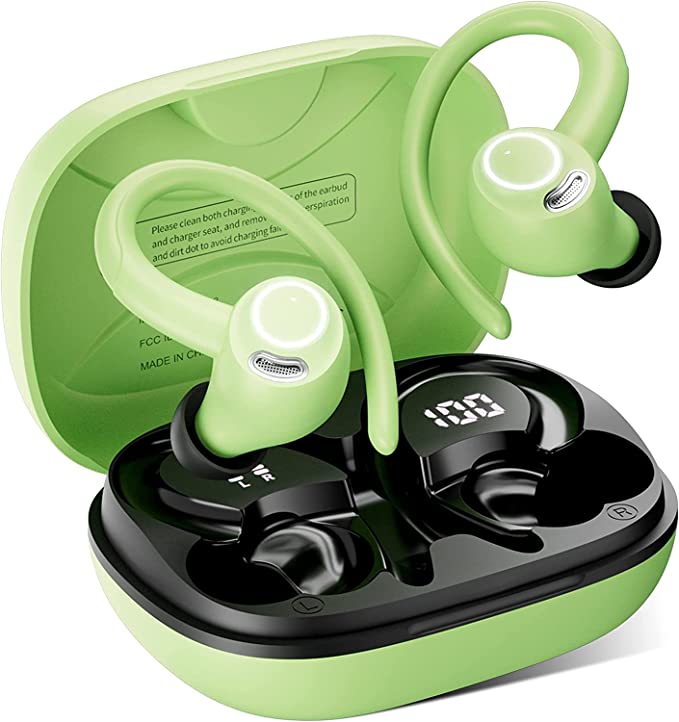
Two Kinds of Quiet: The Science Behind Passive and Active Noise Cancellation
Update on Oct. 21, 2025, 11:47 a.m.
Our modern world is a relentless assault of sound. The rumble of traffic, the drone of HVAC systems, the ceaseless chatter of open-plan offices—this constant auditory static is the soundtrack of our lives. In response, we have developed an innate craving for quiet, a primal need for a space free from sonic intrusion. This has driven a subtle but significant evolution in a common piece of technology. The earbud, once a simple tool for delivering audio, has transformed into something more powerful: a portable sanctuary, a device for creating a personal bubble of tranquility in the midst of chaos. This tranquility, however, is not a single entity. It is engineered in two fundamentally different ways.
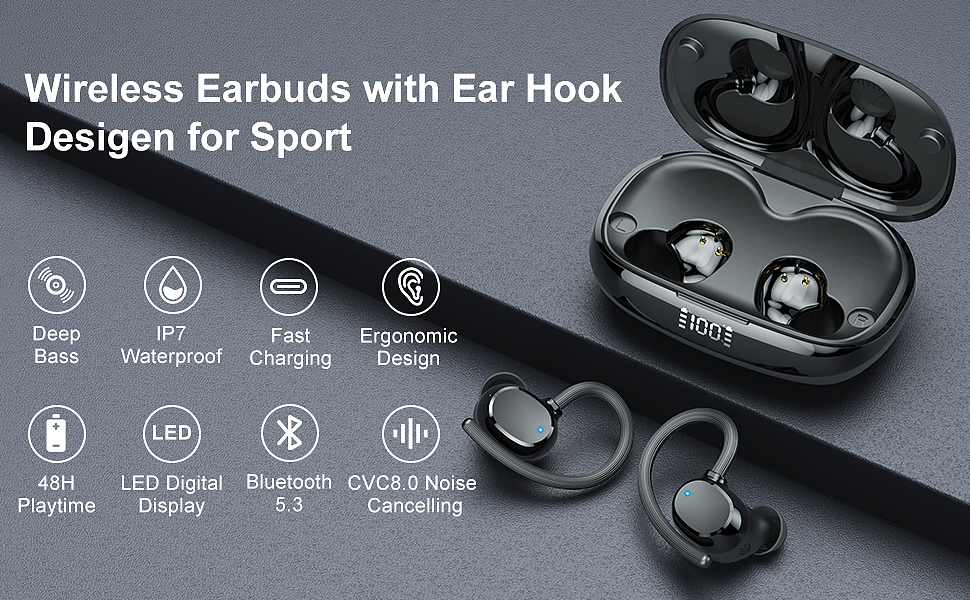
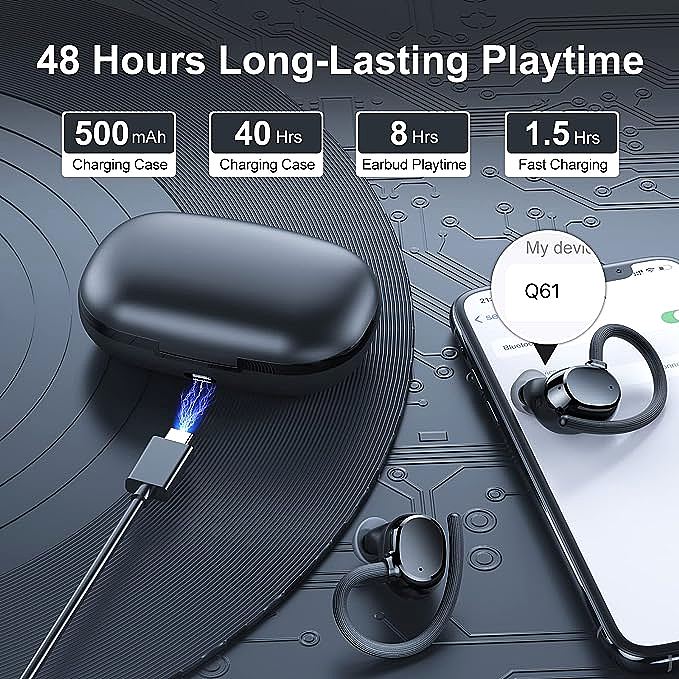
The first, and most intuitive, method is Passive Noise Cancellation (PNC), also known as noise isolation. This is the science of the fortress. It requires no batteries, no complex electronics, just clever physical design. Think of it as a highly advanced earplug. An in-ear headphone, like the WUYI Q61, achieves PNC through two primary mechanisms: the seal and the structure. The soft, pliable silicone ear tips are designed to fit snugly within the ear canal, creating an airtight seal that physically blocks sound waves from entering. The solid housing of the earbud itself provides another barrier.
This physical blockade is governed by simple physics: sound waves are vibrations that travel through a medium (like air), and they lose energy when they encounter a solid obstacle. PNC is exceptionally effective against high-frequency sounds. The shorter wavelengths of sounds like human speech, keyboard clatter, or a baby’s cry are not very good at bending around obstacles and are easily absorbed by the earbud’s material. It’s this effect that led one reviewer, Louise Munday, to celebrate that with her earbuds in, “I can’t hear myself breathing when running.” That muffled, distant quality of the outside world is PNC at its finest. It doesn’t erase the world; it just pushes it further away.
This physical barrier is remarkably effective, especially against the sharp, chaotic sounds of daily life. But what about the relentless, low-frequency drone of an airplane engine or the hum of an office air conditioner? These long-wavelength sounds can easily pass through or vibrate solid structures. For these persistent invaders, a simple wall is not enough. You need to fight sound with sound.
This brings us to the ghost in the machine: Active Noise Cancellation (ANC). This is not isolation; it is annihilation. ANC is a feat of sophisticated audio processing that feels like pure magic. Here’s how it works:
- Listen: A tiny microphone on the outside of the earbud constantly listens to the ambient environmental noise.
- Analyze: A specialized microchip inside the earbud instantly analyzes the soundwave of that noise—its frequency, its amplitude, its phase.
- Counter-Attack: The chip then generates a brand new, second soundwave that is the exact mirror image, or “anti-phase,” of the original noise. It’s a wave with crests where the noise has troughs, and troughs where the noise has crests.
- Cancel: This “anti-noise” wave is played through the earbud’s speaker at the precise same time as the original noise reaches your ear. When the two waves meet, they cancel each other out in a phenomenon known as destructive interference.
The result is silence, created not from blocking sound, but from adding more sound. It’s an act of acoustic erasure, and it is spectacularly effective against constant, low-frequency sounds—the very ones that PNC struggles with. This is why flagship ANC headphones are a revelation on flights and train rides, seemingly deleting the engine’s roar from existence.
This technological marvel of creating silence out of noise feels like magic. But what happens inside our brains when the world is suddenly put on mute? The effects are more profound than you might think. From a cognitive science perspective, both PNC and ANC can significantly reduce our cognitive load. Our brains expend a surprising amount of energy constantly filtering out irrelevant background noise to focus on a task. By removing that noise, these technologies free up mental resources, allowing for deeper concentration and reduced mental fatigue.
However, the way they achieve this silence creates different psychological experiences. PNC offers a gentle, muffled separation from the world. You still feel connected to your surroundings, just from a more distant perspective. ANC, on the other hand, can feel like a more abrupt and total disconnection. For some people, this profound quiet can create a feeling of pressure in the ears, sometimes called the “eardrum suck” effect. This is because our brains are used to a constant level of ambient sound pressure, and its sudden absence can be disorienting. It can also subtly affect our spatial awareness, as our hearing is a key sense for locating ourselves and objects in space.
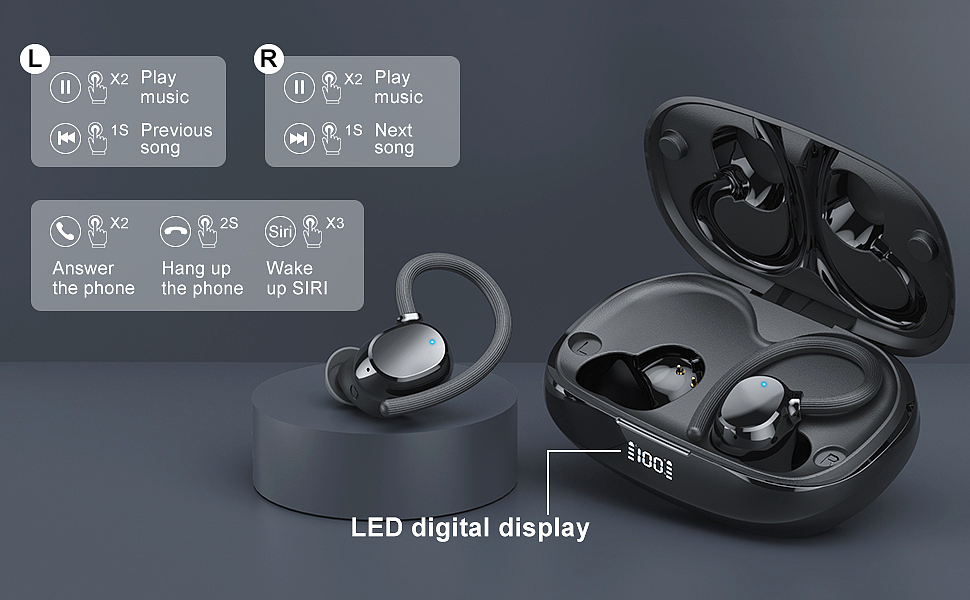
The future of personal audio is not a binary choice between passive isolation and active cancellation. It is about control. Advanced devices are now blending these technologies, offering “transparency modes” that use microphones to intentionally let the outside world in, or “adaptive ANC” that adjusts the level of cancellation based on your environment. The ultimate goal is not to render the world silent, but to make our personal soundscape fully controllable. It’s about giving us the power to dial down the distracting noise of the commute, let in a colleague’s voice when needed, and then immerse ourselves in pure music—all with a simple tap. The quest for quiet is really a quest for agency over our own auditory experience, and that is a truly powerful innovation.